
Chronic diseases affect millions of adults and are among the leading causes of long-term health complications. Conditions such as diabetes, high blood pressure, heart disease, obesity, and high cholesterol often require ongoing medical attention rather than occasional treatment.
Unfortunately, many people wait until symptoms become severe before seeking help. However, healthcare experts increasingly emphasize the importance of proactive care and consistent monitoring.
Working with the best doctor for chronic disease management can help patients better manage their health, reduce complications, and improve their overall quality of life. Whether you are managing a diagnosed condition or trying to reduce future health risks, having a trusted healthcare provider can make a significant difference.
What Is Chronic Disease Management?
Chronic disease management is the ongoing process of monitoring, treating, and preventing complications related to long-term health conditions.
Unlike acute illnesses that typically resolve quickly, chronic conditions often require:
- Regular checkups
- Medication management
- Preventive screenings
- Lifestyle modifications
- Long-term treatment planning
The goal is to help patients maintain stable health and reduce the risk of serious complications.
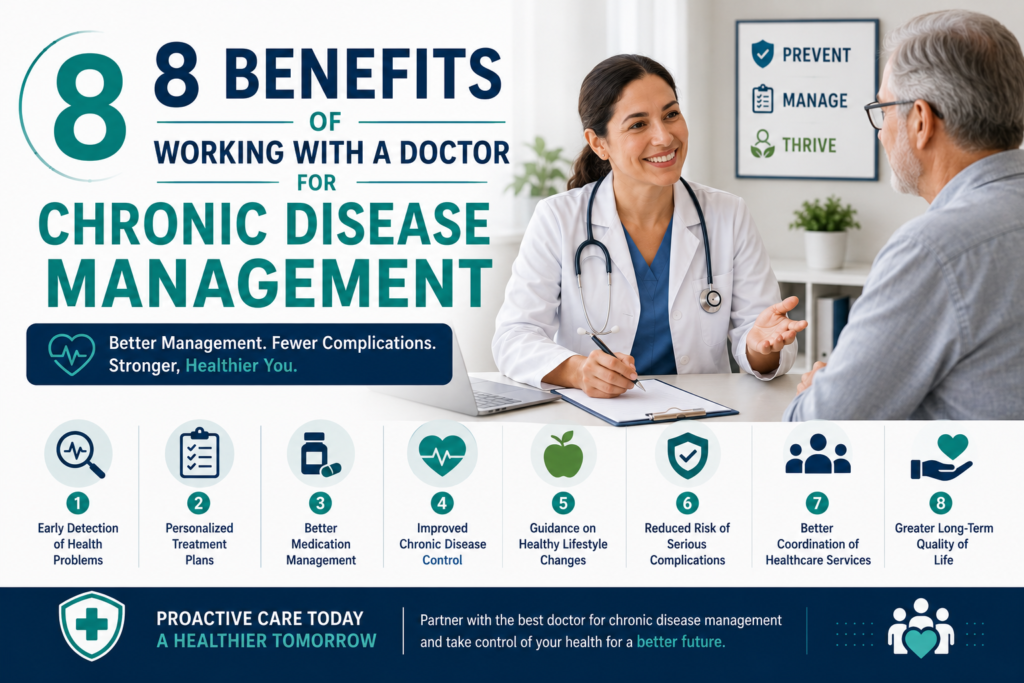
1. Early Detection of Health Problems
One of the biggest advantages of working with a healthcare provider is early detection.
Many chronic conditions develop gradually and may not cause noticeable symptoms during the early stages.
Regular visits with a primary care physician san antonio tx patients trust can help identify:
- High blood pressure
- Prediabetes
- Elevated cholesterol
- Thyroid disorders
- Cardiovascular risk factors
Early intervention often leads to better treatment outcomes and may help prevent more serious health issues later.
2. Personalized Treatment Plans
No two patients have the same medical history, lifestyle, or health goals.
A healthcare provider can create a personalized treatment plan based on factors such as:
- Age
- Family history
- Existing conditions
- Activity level
- Dietary habits
- Medication needs
Personalized care allows treatment strategies to be adjusted as a patient’s health changes over time.
3. Better Medication Management
Many chronic conditions require long-term medication use.
Without proper oversight, patients may experience:
- Missed doses
- Medication interactions
- Side effects
- Ineffective treatment plans
Regular follow-up appointments help ensure medications remain safe, effective, and appropriate for each patient’s current health needs.
4. Improved Chronic Disease Control
Managing chronic conditions requires consistency.
Healthcare providers help patients monitor important health indicators such as:
- Blood pressure
- Blood sugar levels
- Weight
- Cholesterol
- Heart health
Regular monitoring allows adjustments to treatment plans before complications develop.
This proactive approach can significantly improve long-term disease management.
5. Guidance on Healthy Lifestyle Changes
Lifestyle choices play a major role in overall health.
Many chronic conditions are influenced by factors such as:
- Nutrition
- Physical activity
- Sleep quality
- Stress levels
- Smoking habits
The best doctor for chronic disease management does more than prescribe medication. They also provide practical guidance that supports sustainable lifestyle improvements.
Even small changes can have a positive impact on long-term wellness.
6. Reduced Risk of Serious Complications
Poorly managed chronic diseases can increase the risk of severe health complications.
Examples include:
- Heart attacks
- Stroke
- Kidney disease
- Vision problems
- Nerve damage
Consistent medical care helps identify warning signs early and allows healthcare providers to intervene before conditions worsen.
Preventive care is often one of the most effective tools for reducing long-term health risks.
7. Better Coordination of Healthcare Services
Patients with chronic conditions may need support from multiple healthcare professionals.
A primary care physician san antonio tx residents rely on often serves as the central coordinator for care.
This may include:
- Referrals to specialists
- Reviewing test results
- Monitoring treatment progress
- Managing medications
- Maintaining a complete health record
Coordinated care helps improve communication and ensures patients receive comprehensive support.
8. Greater Long-Term Quality of Life
Perhaps the most important benefit of chronic disease management is improved quality of life.
Effective healthcare strategies can help patients:
- Maintain independence
- Stay active
- Reduce symptoms
- Improve energy levels
- Support mental well-being
- Achieve long-term wellness goals
Rather than reacting to health problems after they occur, patients can take a proactive role in protecting their health.
Why Consistent Primary Care Matters
Healthcare trends continue to shift toward prevention and long-term wellness.
Many patients are establishing ongoing relationships with healthcare providers because consistent care supports:
- Preventive health screenings
- Early disease detection
- Better chronic condition management
- Personalized healthcare planning
At Health 210 Primary Care Clinic, patients can work with healthcare professionals who focus on preventive medicine, chronic disease management, and long-term patient wellness.
Building a relationship with a trusted provider allows patients to receive healthcare guidance tailored to their individual needs and goals.
Frequently Asked Questions
What is chronic disease management?
Chronic disease management is the ongoing monitoring, treatment, and prevention of complications related to long-term conditions such as diabetes, hypertension, heart disease, and obesity.
Why is chronic disease management important?
Proper management may help reduce complications, improve quality of life, and support better long-term health outcomes.
Who should seek chronic disease management?
Individuals diagnosed with chronic conditions such as diabetes, hypertension, heart disease, high cholesterol, or obesity may benefit from ongoing medical care and monitoring.
Can a primary care physician manage chronic diseases?
Yes. A primary care physician san antonio tx patients trust often provides chronic disease monitoring, medication management, preventive care, and specialist coordination.
How often should patients with chronic conditions see a doctor?
Visit frequency depends on the condition being managed, treatment goals, and overall health status. Many patients require regular follow-up appointments throughout the year.
What is the goal of chronic disease management?
The primary goal is to help patients maintain stable health, reduce complications, improve quality of life, and support long-term wellness.
Final Thoughts
Managing a chronic condition is not simply about treating symptoms. It is about building healthy habits, monitoring progress, and working with healthcare professionals who understand your long-term needs.
By partnering with the best doctor for chronic disease management, patients can take a proactive approach to their health while reducing future risks and improving overall well-being.
Consistent medical care, preventive screenings, and personalized treatment strategies remain some of the most effective ways to achieve better long-term health outcomes.